Vietnam Reinforces ASEAN Cooperation and Regional Resilience at the 48th ASEAN Summit
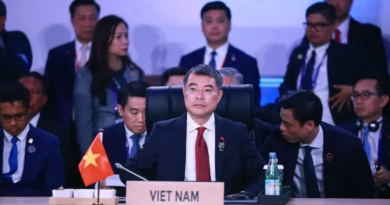
Vietnamese Prime Minister Le Minh Hung’s participation in the 48th ASEAN Summit, held in Cebu, Philippines, on May 7–8, 2026, underscored Vietnam’s commitment to regional integration, strategic cooperation, and ASEAN centrality. His first overseas visit in office took place amid mounting geopolitical tensions, economic uncertainty, and growing challenges related to energy security, food security, and climate change.
Regional solidarity and collective resilience emerged as central themes of Vietnam’s engagement. Prime Minister Hung emphasized that maintaining peace, stability, and strategic trust remains essential for ASEAN’s sustainable development. He outlined three priorities: addressing fundamental security needs, strengthening regional cooperation and institutional resilience, and reinforcing ASEAN unity in responding to emerging challenges.
Economic connectivity and digital transformation also featured prominently in Vietnam’s proposals. Hanoi advocated stronger intra-ASEAN trade, reduced commercial barriers, and more resilient regional supply chains. Particular emphasis was placed on renewable energy, infrastructure connectivity, logistics, artificial intelligence, digital governance, and high-quality workforce development. These initiatives reflected Vietnam’s broader approach to balancing economic growth, technological innovation, and sustainable development.
According to Deputy Foreign Minister Dang Hoang Giang, Vietnam’s proposals received positive responses from several ASEAN members, particularly regarding energy cooperation, petroleum security, trade facilitation, and regional economic integration.
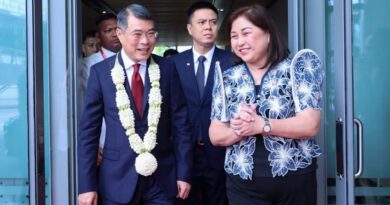
Bilateral diplomacy constituted another important dimension of the visit. On the summit’s sidelines, Prime Minister Hung met regional leaders and representatives of international organizations to strengthen political trust and expand cooperation in investment, tourism, infrastructure, food security, and emerging technologies. These engagements also highlighted Vietnam’s growing participation in regional economic and diplomatic frameworks.
Overall, the summit provided Vietnam with opportunities to advance its regional priorities while reinforcing its commitment to ASEAN cooperation. The visit reflected Hanoi’s continued emphasis on an independent and diversified foreign policy, with ASEAN remaining central to its international integration strategy. It also demonstrated Vietnam’s intention to contribute to a more cohesive, resilient, and economically interconnected Southeast Asia.