Vietnam and the Philippines Navigate Regional Security and Economic Cooperation at the 48th ASEAN Summit
The 48th ASEAN Summit, held in Cebu, Philippines, on May 7–8, 2026, highlighted growing regional concerns over energy insecurity, maritime tensions, and economic resilience. Against the backdrop of the Iran conflict, rising fuel prices, and inflationary pressures, Philippine President Ferdinand Marcos Jr. emphasized the importance of regional coordination, proposing an ASEAN energy-sharing mechanism. However, its operational arrangements, including resource allocation and distribution, remain unresolved.
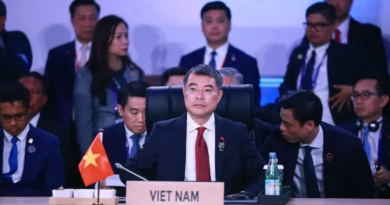
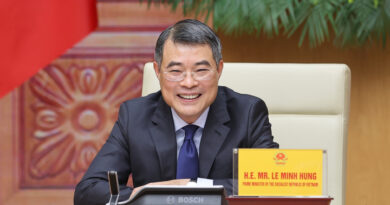
Vietnamese Prime Minister Le Minh Hung, making his first overseas visit in office, emphasized human security and regional economic integration. His proposals focused on strengthening food and energy security while promoting deeper economic cooperation, broadly aligning with the Philippines’ priorities concerning digital integration and artificial intelligence governance.
Maritime security revealed differences in diplomatic approaches between Vietnam and the Philippines. Manila advocated stronger ASEAN engagement in the South China Sea, including the establishment of a regional maritime center to support freedom of navigation. These initiatives reflect continuing tensions with China over disputed waters and concerns about maritime trade disruptions.
Vietnam, which also maintains territorial claims in the South China Sea, adopted a more restrained public approach, emphasizing practical economic cooperation rather than directly highlighting maritime disputes. Nevertheless, Hanoi’s criticism of China’s unilateral fishing restrictions indicates that underlying sovereignty disagreements persist. Vietnam’s diplomatic posture may therefore reflect an effort to manage bilateral tensions while maintaining broader regional cooperation.
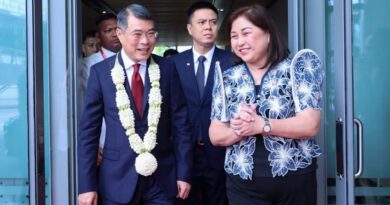
The summit also coincided with the 50th anniversary of Vietnam–Philippines diplomatic relations. Despite historical differences, bilateral ties have expanded considerably, particularly in trade and maritime security. Annual trade is approaching US$10 billion, while cooperation in maritime law enforcement and search-and-rescue activities continues to develop.
Overall, the summit demonstrated both converging interests and distinct strategic priorities within ASEAN. Vietnam and the Philippines share commitments to economic resilience, regional stability, and maritime cooperation. However, their differing security relationships and approaches to China underscore the complexity of regional diplomacy. For Vietnam, expanding practical partnerships while preserving strategic autonomy remains an important consideration amid intensifying US–China competition.